Game Controller Couple LGBT: A Designer's Review
In the world of custom apparel and handmade goods, finding a design that balances personal expression with technical feasibility is often the hardest part of the job. As someone who has spent years testing digital assets for client projects and my own craft business, I approach every new file with a mix of excitement and skepticism. When I first opened the Game Controller Couple LGBT package, I was looking for more than just a cute graphic; I needed to know if it would translate well from a screen into a tangible, high-quality finished product. This review breaks down exactly how this design performs in real-world embroidery scenarios.
First Impressions: Mood and Visual Personality
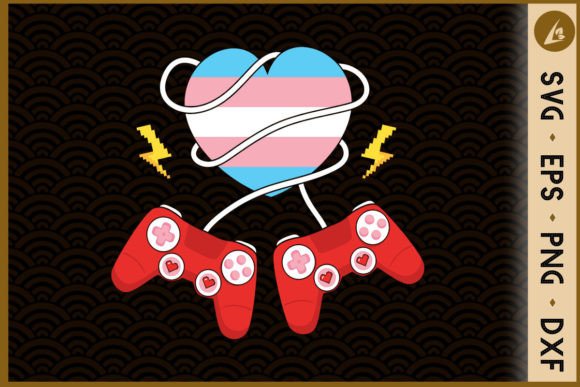
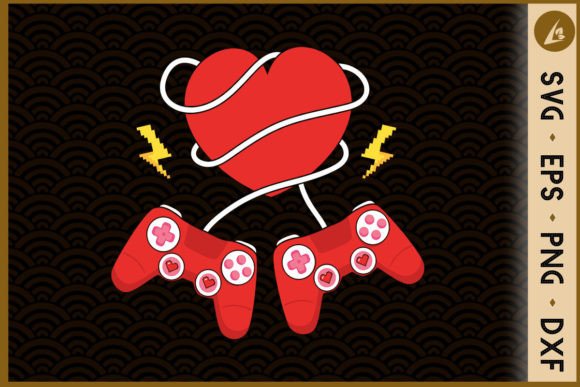
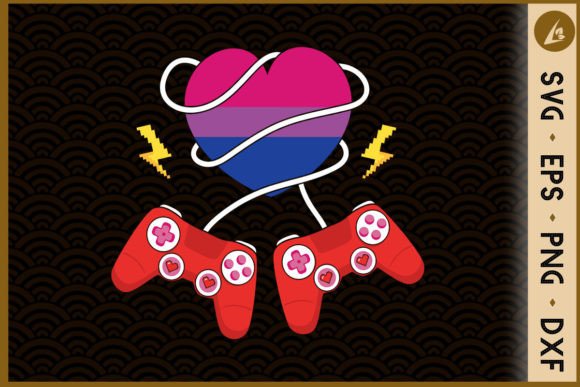
The moment you load the Game Controller Couple LGBT into your digitizing software or previewer, the intent is clear. It is a playful, modern take on gaming culture infused with inclusive pride. The visual personality leans heavily into the Graphics category, offering clean lines and distinct shapes that suggest it will work beautifully as a bold statement piece. Unlike some overly intricate designs that get lost in the stitching process, this one maintains a strong silhouette. The mood is celebratory and fun, making it an immediate contender for holiday gifts, boutique merchandise, or personalized items for the LGBTQ+ community who love gaming.
From a designer's perspective, the layout feels balanced. The two controllers are positioned to create a sense of connection without overcrowding the negative space. This is crucial because when you move from a digital mockup to actual thread, every millimeter counts. If the design is too dense, you risk puckering the fabric; if it is too sparse, it might look unfinished. Here, the spacing suggests a healthy stitch density that should allow the machine to breathe while still delivering a vibrant image.
Real-World Application: Where It Shines
I immediately started thinking about specific use cases where Game Controller Couple LGBT would excel. Imagine preparing a custom embroidered tote bag for a local Pride event. The sturdy canvas of a tote provides a perfect foundation for this type of design. Because the shapes are relatively large and defined, they would stand out clearly against the natural beige or white fabric, creating a high-contrast look that draws attention from a distance.
Another excellent application is sweatshirt embroidery. A heavy cotton blend on the back of a hoodie offers a flat, stable surface that can handle the weight of the thread without distortion. For small shop owners or Etsy sellers, this design could be the centerpiece of a limited-run collection. The theme resonates deeply with a specific demographic, turning a simple garment into a conversation starter. Whether used as a baby embroidery project for a young gamer in the family or as a decorative accent on a pillow cover, the design retains its charm across different scales.
If you are planning to create an embroidered patch, this file is particularly promising. Patches require a design that holds up well under frequent handling and washing. The clean edges of the controllers mean that the satin stitch borders will likely look crisp, preventing fraying over time. For those selling handmade products at craft fairs, having a design like this allows you to offer instant gratification—customers can see the design on a rack and pick it up right away, knowing it represents both their hobby and their identity.
Navigating Technical Challenges
While the potential is high, every professional knows that no design is foolproof. There are specific situations where Game Controller Couple LGBT requires careful handling. If you attempt to scale this down for a tiny cap logo or a small pocket placement, you must be cautious. The details on the buttons and joysticks might become indistinguishable if the hoop size is too small. In these instances, the running stitch or fill stitch areas could merge, losing the definition that makes the design appealing.
Fabric texture is another critical factor. On highly textured fabrics like terry cloth towels or thick fleece, the fine lines of the controllers might get lost in the loops of the material. Always test on scrap fabric first. If you are working with dark fabric, ensure your thread colors provide enough contrast. A light-colored design on black denim looks striking, but if the thread isn't opaque enough, the dark background can bleed through the fill stitches, dulling the vibrancy of the LGBT colors.
Furthermore, consider the stretch of the material. On thin or stretchy fabrics, such as jersey knit t-shirts, the tension required to hold the stabilizer can cause the design to pucker. You might need to adjust your stabilizer choice, perhaps using a tear-away or cut-away option depending on the garment's weight. For curved surfaces like caps, the design needs to be oriented carefully so that the stitch direction follows the curve, preventing the thread from bunching up on the side seams.
Practical Notes for the Professional Maker
Before committing to a commercial run or a client order, I always follow a strict checklist. First, verify the file formats included in the pack. The listing mentions SVG, EPS, PNG, and DXF files. While these are excellent for cutting machines and printing, remember that for actual machine embroidery, you typically need a .PES, .DST, or similar native embroidery format. If the machine embroidery design is intended to be converted from these vector files, you will need to digitize it yourself or ensure the provider offers the correct embroidery-specific file. Do not assume a DXF file will work directly in your embroidery machine without conversion.
Second, test the design on a variety of backgrounds. Create a printable mockup to visualize how the thread colors interact with light and dark fabrics. Check the stitch density by running a test on a piece of scrap fabric that matches your final product. Look closely at the corners of the controllers; sharp angles can sometimes cause thread breakage if the needle doesn't pivot smoothly. Inspect the small details to ensure they aren't too tiny to stitch accurately.
Licensing is also paramount. Since these are digital products, confirm whether the license allows for commercial use. Are you allowed to sell the finished items? Can you resell the digital file itself? Understanding these terms protects your craft business from legal issues. If you plan to use this for a wedding gift or a personalized item, ensure the design fits the recipient's taste and the occasion's formality.
Final Verdict on Value and Appeal
Ultimately, the Game Controller Couple LGBT design offers significant value for creative entrepreneurs and hobbyists alike. It bridges the gap between niche interests and broad appeal, making it a versatile asset for any portfolio focused on Crafts and Graphics. When executed correctly, it elevates a standard t-shirt or tote bag into a premium, meaningful gift. The clarity of the shapes ensures that even beginners can achieve professional-looking results, provided they pay attention to stabilizer and tension.
For the seasoned embroiderer, it offers a chance to play with color palettes and thread textures, perhaps adding a touch of metallic thread to the controller buttons for extra flair. For the small business owner, it represents a low-risk, high-reward addition to a catalog of personalized gifts. By taking the time to test, refine, and apply this design thoughtfully, you ensure that the final product is not just stitched, but crafted with care. In the end, it is the attention to detail that turns a simple digital file into a cherished physical object.