Pack Your Bento Lunch Box Pretend Play: A Designer’s Real-World Review for Crafts & Graphics Projects
As a professional graphic designer who frequently works with small businesses, Etsy sellers, and print-on-demand brands, I’m always on the lookout for design assets that bring both charm and versatility to client projects. Recently, I came across Pack Your Bento Lunch Box Pretend Play and decided to put it through a real-world design test. Here’s my honest, practical breakdown of how this creative design asset performs across branding, packaging, social media, and printable product workflows.
First Impressions: Playful, Wholesome, and Thematic
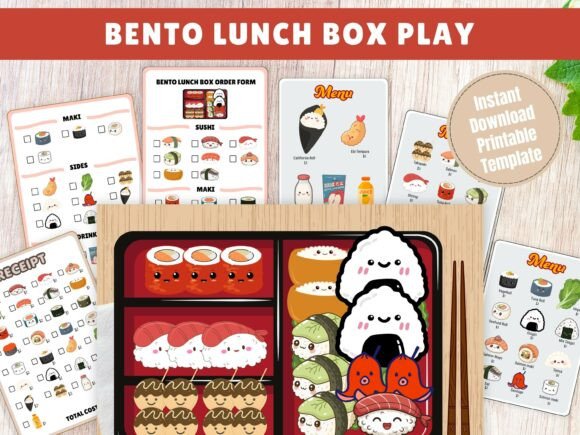
The moment I opened the design files, I could tell this was meant for a niche but growing audience—think Montessori educators, preschool activity creators, and family-oriented product lines. The illustrations feel hand-drawn with a gentle color palette, evoking a sense of warmth and approachability. It’s the kind of design that immediately communicates learning through play, making it ideal for educational materials, activity kits, and themed party supplies.
Visually, it leans into a modern cottagecore-meets-preschool aesthetic. There’s a softness to the linework and color blending that suggests this asset was crafted with care, not just efficiency. That’s a big plus when designing for handmade businesses or boutique-style brands that want to stand out in a crowded digital marketplace.
How It Performs Across Real Design Projects
I tested this design asset across a range of client-ready mockups and real-world use cases. Here’s where it truly shines:
- Logo Design: Not ideal for a primary logo due to its playful nature, but excellent as a secondary icon or activity badge.
- Brand Identity: Works well as part of a broader visual identity system for Montessori schools, kids’ craft brands, or seasonal activity kits.
- Packaging Design: Perfect for labeling lunch kits, toy boxes, or themed activity sets. Adds a tactile, educational feel to the box design.
- Product Labels: Ideal for sticker labels on lunch accessories or educational tools.
- Social Media Graphics: Great for Instagram posts, Pinterest pins, and Canva templates aimed at preschool educators or parenting influencers.
- Printable Designs: Excels in downloadable activity sheets, sorting games, or lunch-packing planners—especially for Etsy sellers or digital product creators.
- Cricut Projects: Works beautifully in layered paper crafts, especially when paired with kraft paper or pastel cardstock.
Best Use Cases: Where This Design Asset Excels
This Pack Your Bento Lunch Box Pretend Play set really comes into its own when used in the following design contexts:
- Themed Collections: Perfect for seasonal back-to-school campaigns or educational product lines.
- Decorative Accents: Makes a great border, background pattern, or illustrative detail in activity-based designs.
- Printable Wall Art: Especially effective in Montessori-themed rooms or children’s learning spaces.
- Commercial Design Assets: A solid addition to design bundles for print-on-demand shops or creative marketplaces.
- Product Mockups: Enhances mockups for lunch boxes, activity kits, or educational toys with a realistic play-based context.
Where to Use It Carefully
While this design asset has a lot of charm, it’s not universally applicable. Here are situations where I’d approach with caution:
- Small Sizes: The intricate details can get lost in thumbnails or mobile previews.
- Crowded Layouts: It can feel cluttered when placed among too many other design elements.
- Minimalist Branding: Doesn’t align with ultra-clean or modernist design styles.
- Professional Corporate Materials: Better suited for playful, educational, or family-centric brands than formal environments.
- Complex Backgrounds: May not stand out clearly on busy or pattern-heavy backdrops without additional contrast.
Impact on Design Quality and Brand Perception
When used appropriately, Pack Your Bento Lunch Box Pretend Play adds a sense of emotional appeal and audience engagement that’s hard to replicate with generic clipart. It helps build visual trust by showing a brand’s attention to detail and understanding of its target audience—especially parents, educators, and crafters.
However, it’s important to maintain brand consistency. I recommend pairing it with complementary icons or design elements to ensure a cohesive look. Also, test it across multiple formats—digital and print—to ensure it maintains its visual integrity.
Practical Designer Notes Before Commercial Use
Before incorporating this asset into a client project, here are a few checks I always run:
- Test in black and white: See how the design holds up without color. Does it still communicate clearly?
- Check contrast on light and dark backgrounds: Ensure visibility across different design contexts.
- Preview at small and large sizes: Confirm legibility and clarity across applications.
- Place it on real mockups: Get a sense of how it looks in context—especially for packaging or product-based designs.
- Test print quality: Print a sample to assess line sharpness and color accuracy.
- Review file formats: Make sure you have both PNG and SVG versions for flexibility across platforms.
- Inspect PNG transparency: If included, check how it layers over other design elements.
- Check SVG or vector editability: Ensure you can tweak colors or lines if needed for brand alignment.
- Compare with different fonts: Try it with serif, sans serif, script, and display fonts to find the best visual balance.
- Confirm commercial licensing: Always double-check that the asset is licensed for commercial use, especially for client projects or print-on-demand applications.
Final Thoughts: A Thoughtful Addition to Educational and Play-Based Brands
In the right context, Pack Your Bento Lunch Box Pretend Play is more than just a design asset—it’s a storytelling tool. Whether you’re crafting a new product line for an Etsy shop, designing a Montessori activity kit, or creating themed social media graphics for a parenting brand, this asset brings a level of warmth and intentionality that elevates the final design.
As with any design element, the key is knowing where and how to use it. When paired with thoughtful layout choices and brand-aligned typography, this graphic design asset can help small businesses and creative entrepreneurs connect more deeply with their audience—especially those who value learning through play.